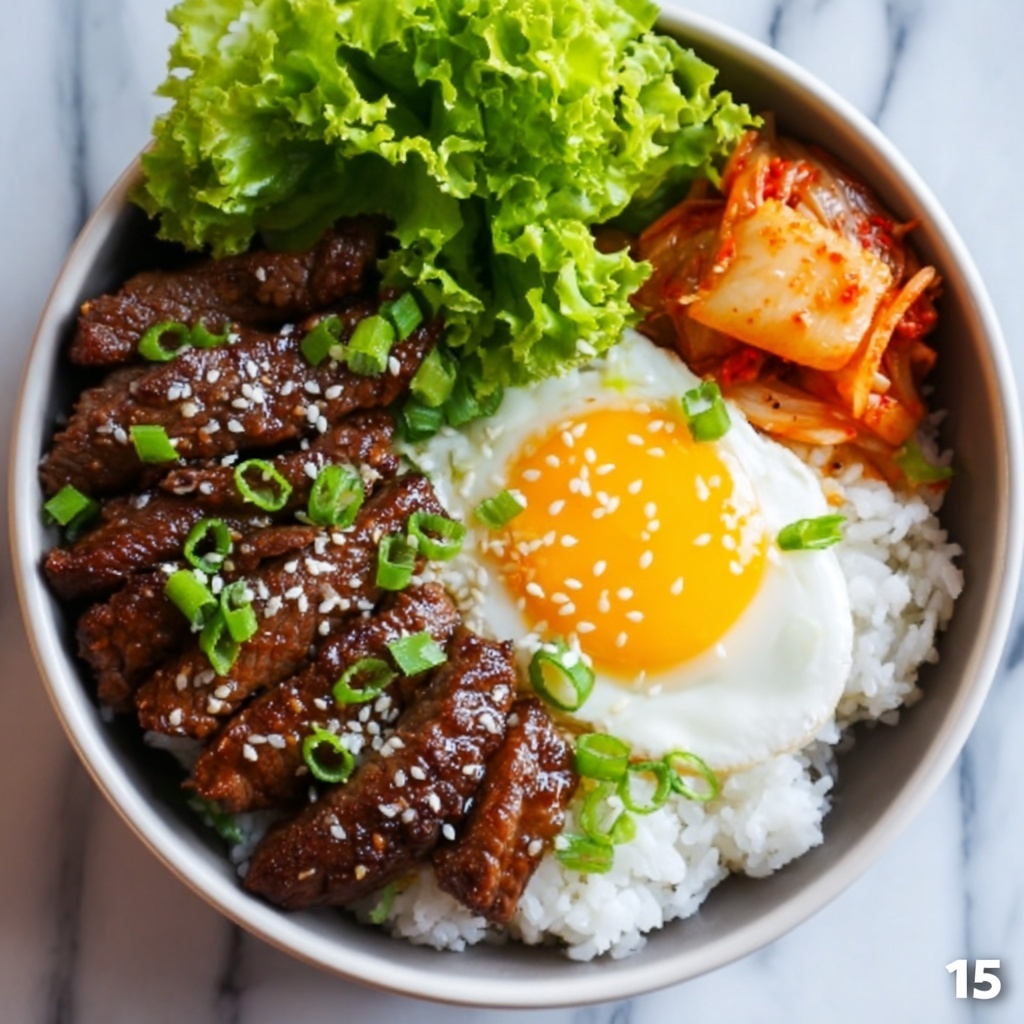
If you have ever wished to bring a burst of authentic Korean flavor right into your kitchen, this Korean Beef Bulgogi Recipe is the perfect place to start. This dish combines tender, thinly sliced ribeye or sirloin steak with a luscious marinade that sings with sweet, savory, and slightly spicy notes. Each bite delivers a wonderful balance of textures—from the soft, caramelized meat to the crisp, sautéed vegetables—making it a warm, satisfying meal that everyone will love. Trust me, once you master this Korean Beef Bulgogi Recipe, it will quickly become a go-to favorite for dinners and special gatherings alike.
Ingredients You’ll Need
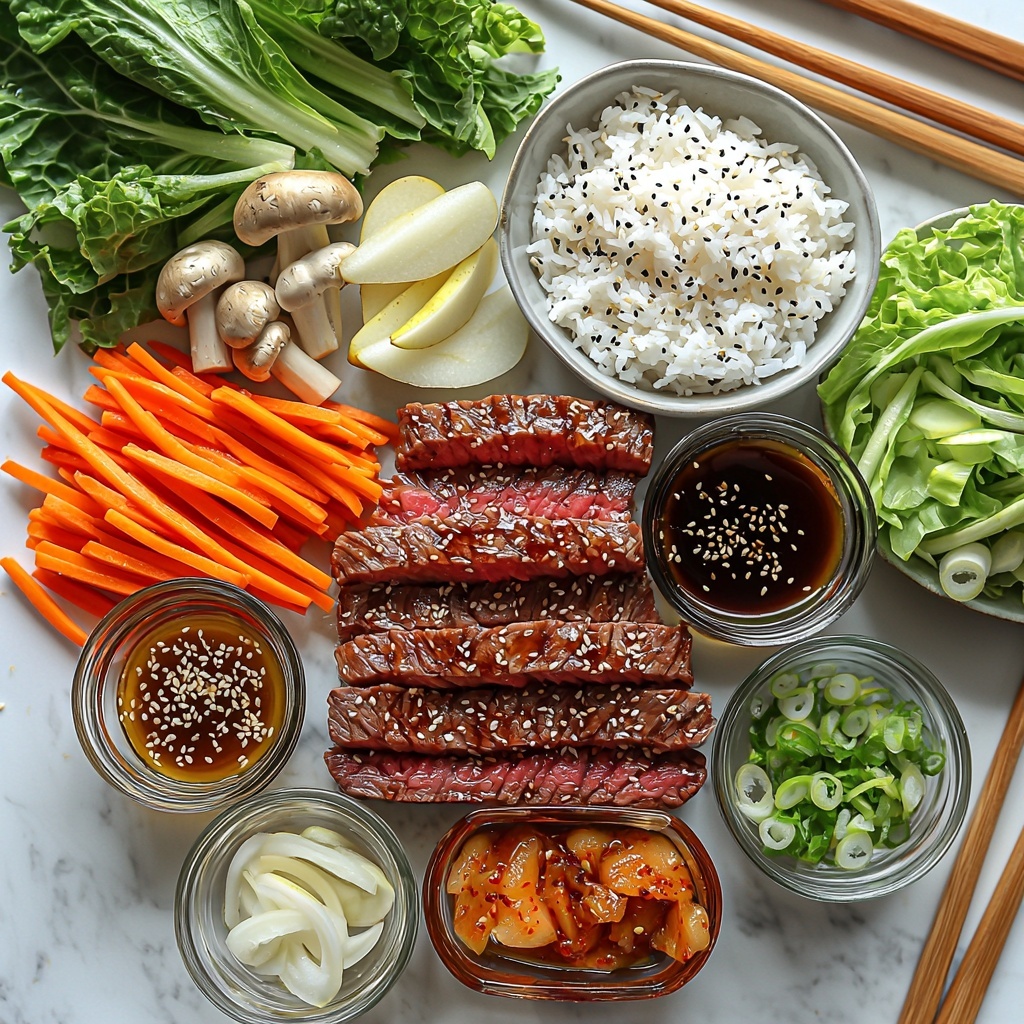
The magic of this Korean Beef Bulgogi Recipe lies in its simple yet essential ingredients, each carefully chosen to bring out the full depth of flavor, beautiful texture, and mouthwatering color. From the backbone of tender beef to the subtle sweetness of Asian pear and the toasty nuttiness of sesame seeds, every item plays a crucial role in perfecting this dish.
- 1.5 lbs ribeye or sirloin steak: Choose well-marbled meat for juicy, tender bites once thinly sliced against the grain.
- 6 tbsp soy sauce: Provides the salty, umami foundation for the marinade.
- 3 tbsp brown sugar: Balances the saltiness with a natural sweet warmth.
- 2 tbsp sesame oil: Imparts a fragrant, nutty aroma that’s iconic in Korean cooking.
- 4 cloves garlic, minced: Adds a pungent kick and layers of flavor.
- 1 tbsp fresh ginger, grated: Brings a zesty, slightly peppery undertone.
- 1/2 Asian pear or red apple, grated: Tenderizes the beef and adds a refreshing sweetness.
- 2 tbsp mirin (optional): Enhances the marinade with a mild, sweet acidity.
- 1 tbsp gochujang (optional, for spice): Gives a gentle heat and complex depth for spice lovers.
- 1/4 tsp black pepper: Adds a subtle warmth without overpowering.
- 2 tbsp finely chopped green onions: Freshness and color to brighten each bite.
- 1 tsp toasted sesame seeds: Small bursts of crunch and nuttiness throughout.
- 1 tbsp neutral oil (for cooking): Essential for searing the meat without adding extra flavor.
- 1 small onion, thinly sliced: Sweetness and texture when sautéed alongside the beef.
- 1 carrot, julienned: Adds vibrant color and a gentle crunch.
- 1 cup mushrooms (shiitake or white button), sliced: Earthy flavor and tender bite.
- 2 tbsp honey butter (1 tbsp melted butter + 1 tbsp honey, mixed): Creates a gorgeous glossy finish and sweet glaze for the beef.
- Cooked rice, for serving: A neutral base to soak up all those wonderful juices.
- Lettuce leaves or perilla leaves, for wrapping: Adds freshness and an interactive element to the meal.
- Extra sesame seeds and sliced green onions, for garnish: Finishing touches that make the dish pop visually and flavor-wise.
How to Make Korean Beef Bulgogi Recipe
Step 1: Prepare the Beef
Before anything else, pop your steak in the freezer for about 30 minutes. This little trick firms up the meat, making it much easier to slice thinly against the grain. Taking the time for these thin strips ensures that the beef will be tender and soak up the marinade perfectly. Don’t rush the slicing—it’s key to that melt-in-your-mouth texture.
Step 2: Make the Marinade
Mix together a harmonious blend of soy sauce, brown sugar, toasted sesame oil, minced garlic, freshly grated ginger, and the surprise star—grated Asian pear or apple. These ingredients work together to tenderize the beef while infusing it with a complex layering of flavors ranging from naturally sweet to savory umami. If you want to add a hint of sweetness and acidity, stir in mirin, and for a touch of heat, mix in gochujang. Sprinkle in black pepper, chopped green onions, and toasted sesame seeds to round out the marinade beautifully.
Step 3: Marinate the Beef
Transfer the beef strips into your marinade bowl and toss to make sure every piece is luxuriously covered. Cover and refrigerate for at least one hour, but if you can plan ahead, marinating overnight is like a flavor jackpot, making the meat even more tender and infused with the marinade’s sweet-savory charm.
Step 4: Prepare Vegetables
While your beef is soaking up all that goodness, slice your onion paper-thin, julienne the carrot for a crisp bite, and slice your mushrooms. These veggies will add fresh textures and balance to the richness of the bulgogi.
Step 5: Cook the Bulgogi
Heat up a grill pan or cast iron skillet over medium-high heat and add a tablespoon of neutral oil—you want something flavorless to let the beef shine. Cook the marinated beef in batches so the pan doesn’t overcrowd, searing each side for two to three minutes until the edges caramelize beautifully. Just before you finish a batch, drizzle some honey butter over the meat and give it a quick toss. This creates a stunning sticky-glaze that’s simply irresistible.
Step 6: Sauté the Vegetables
Using the same pan, toss in the sliced onion, carrot, and mushrooms. Sauté for three to four minutes until they soften and develop a bit of caramelized color. They’ll soak up those delicious pan flavors, bringing a savory-sweet contrast to the rich beef.
How to Serve Korean Beef Bulgogi Recipe
Garnishes
Garnishing is where presentation meets flavor. Scatter extra toasted sesame seeds and thin slices of green onions over your beef and vegetables. They add a pop of color and a fresh, nutty crunch that instantly elevates the plate’s visual appeal and taste.
Side Dishes
Serve your bulgogi hot with fluffy, steamed rice to balance the robust flavors. For the full Korean experience, provide lettuce or perilla leaves for wrapping the meat and veggies, along with kimchi on the side. The kimchi’s tangy, spicy punch perfectly complements the sweet and savory notes of your Korean Beef Bulgogi Recipe.
Creative Ways to Present
Try assembling lettuce wraps so everyone can build their own bites with juicy meat, crisp vegetables, and a dollop of spicy gochujang or ssamjang sauce. You could also serve the entire dish over warm rice bowls topped with a fried egg for a hearty twist, or even as a topping for crunchy tacos if you’re feeling adventurous. The Korean Beef Bulgogi Recipe is versatile and perfect for sharing.
Make Ahead and Storage
Storing Leftovers
If you have any leftovers (and that doesn’t happen often!), store the beef and vegetables separately in airtight containers in the refrigerator. Properly stored, they will stay fresh for up to three days, making it easy to enjoy quick, flavorful meals on busy days.
Freezing
You can freeze the marinated raw beef before cooking to save time later. Place it in a sealed freezer bag and freeze for up to one month. When ready to use, thaw in the refrigerator overnight and cook fresh as instructed. Cooked leftovers freeze well too—just cool completely before freezing in portioned containers for up to two months.
Reheating
For reheating, gently warm the leftovers in a pan over medium heat rather than using the microwave to preserve texture and flavor. Adding a splash of water or a bit more honey butter while reheating helps bring back that luscious, glaze-like finish. Serve immediately with fresh rice or wraps.
FAQs
Can I use a different cut of beef for this Korean Beef Bulgogi Recipe?
Absolutely! While ribeye or sirloin are preferred for their tenderness and flavor, you can use other cuts like skirt steak or flank steak as long as you slice them very thinly against the grain. These cuts may be a bit chewier but still delicious when marinated properly.
What can I substitute if I don’t have Asian pear or red apple?
If you can’t find Asian pear or red apple, a small amount of grated white or yellow pear, or even a touch of pineapple juice, can work to tenderize the meat and add sweetness. Just be cautious with pineapple as it’s very potent and can over-tenderize the beef if left too long.
Is gochujang necessary for this recipe?
Not at all! Gochujang is optional and adds a gentle spicy kick. If you prefer a milder flavor, feel free to skip it. The dish is beautifully flavorful even without the spice.
Can I prepare the bulgogi in advance for a party?
Definitely. Marinate the beef the night before to maximize flavor, and prepare your vegetables ahead of time. When guests arrive, cooking the beef and sautéing the veggies fresh will bring everyone together and keep things lively in the kitchen.
What can I serve alongside this Korean Beef Bulgogi Recipe?
Besides steamed rice and leafy wraps, classic Korean sides like kimchi, pickled radish, or simple cucumber salad pair wonderfully. For a fusion twist, serve with stir-fried noodles or in rice paper rolls for a fresh handheld treat.
Final Thoughts
This Korean Beef Bulgogi Recipe is a loving tribute to one of Korea’s most cherished dishes, blending sweet, savory, and umami flavors in the most comforting way. Once you make it, you’ll see how easy it is to infuse your kitchen with authentic tastes and bring friends and family together over a delicious meal. Trust me, this recipe is an absolute keeper that you’ll reach for again and again.
Print
Korean Beef Bulgogi Recipe
- Prep Time: 40 minutes
- Cook Time: 45 minutes
- Total Time: 1 hour 25 minutes
- Yield: 4 servings
- Category: Main Dish
- Method: Grilling
- Cuisine: Korean
Description
This Korean Beef Bulgogi recipe features tender, thinly sliced ribeye or sirloin steak marinated in a savory and slightly sweet sauce, then quickly grilled and caramelized with a honey butter glaze. Accompanied by sautéed vegetables and served with rice or wrapped in lettuce leaves, this classic Korean dish is full of vibrant flavors and perfect for a flavorful weeknight dinner or special occasion.
Ingredients
Beef and Marinade
- 1.5 lbs ribeye or sirloin steak, thinly sliced against the grain
- 6 tbsp soy sauce
- 3 tbsp brown sugar
- 2 tbsp sesame oil
- 4 cloves garlic, minced
- 1 tbsp fresh ginger, grated
- 1/2 Asian pear or red apple, grated
- 2 tbsp mirin (optional)
- 1 tbsp gochujang (optional, for spice)
- 1/4 tsp black pepper
- 2 tbsp finely chopped green onions
- 1 tsp toasted sesame seeds
Cooking
- 1 tbsp neutral oil (for cooking)
- 1 small onion, thinly sliced
- 1 carrot, julienned
- 1 cup mushrooms (shiitake or white button), sliced
- 2 tbsp honey butter (1 tbsp melted butter + 1 tbsp honey, mixed)
Serving
- Cooked rice, for serving
- Lettuce leaves or perilla leaves, for wrapping
- Extra sesame seeds and sliced green onions, for garnish
Instructions
- Prepare the Beef: Place the beef in the freezer for 30 minutes to firm it up, which makes it easier to slice thinly. Using a sharp knife, cut the beef into thin strips against the grain to ensure tenderness.
- Make the Marinade: In a large bowl, whisk together soy sauce, brown sugar, sesame oil, minced garlic, grated ginger, grated Asian pear or apple, mirin (if using), gochujang (if desired for spice), and black pepper. Stir in the finely chopped green onions and toasted sesame seeds to infuse the marinade with flavor.
- Marinate the Beef: Add the sliced beef to the marinade, making sure each strip is fully coated. Cover the bowl and refrigerate for at least one hour, but preferably overnight, to allow the beef to absorb all the flavors and tenderize.
- Prepare Vegetables: While the beef marinates, thinly slice the onion, julienne the carrot, and slice the mushrooms to prepare the vegetable accompaniment.
- Cook the Bulgogi: Heat a grill pan or cast iron skillet over medium-high heat and add the neutral oil. Cook the marinated beef in batches to avoid overcrowding the pan, searing each side for 2 to 3 minutes until the meat is nicely caramelized. Just before removing the meat, drizzle the honey butter over the beef and toss quickly to glaze it beautifully. Set aside the cooked beef once done.
- Sauté the Vegetables: In the same pan used for the beef, add the sliced onions, julienned carrots, and mushrooms. Sauté for 3 to 4 minutes until the vegetables soften and develop a light caramelization, picking up the savory flavors left in the pan.
- Serve: Arrange the cooked beef and sautéed vegetables on a serving plate. Garnish with additional sesame seeds and sliced green onions. Serve hot with steamed rice or wrapped in lettuce or perilla leaves. Pair with kimchi to complete this traditional Korean meal experience.
Notes
- For best flavor and tenderness, marinate the beef overnight if possible.
- If you prefer spicier bulgogi, increase the amount of gochujang or add sliced fresh chili peppers.
- Asian pear or apple helps tenderize the meat naturally and adds a subtle sweetness.
- Using a grill pan or cast iron skillet helps achieve the classic caramelized edges and smoky flavor.
- Honey butter glaze adds a beautiful shine and slight sweetness to the finished beef.
- Serve with kimchi or other Korean side dishes for an authentic meal.