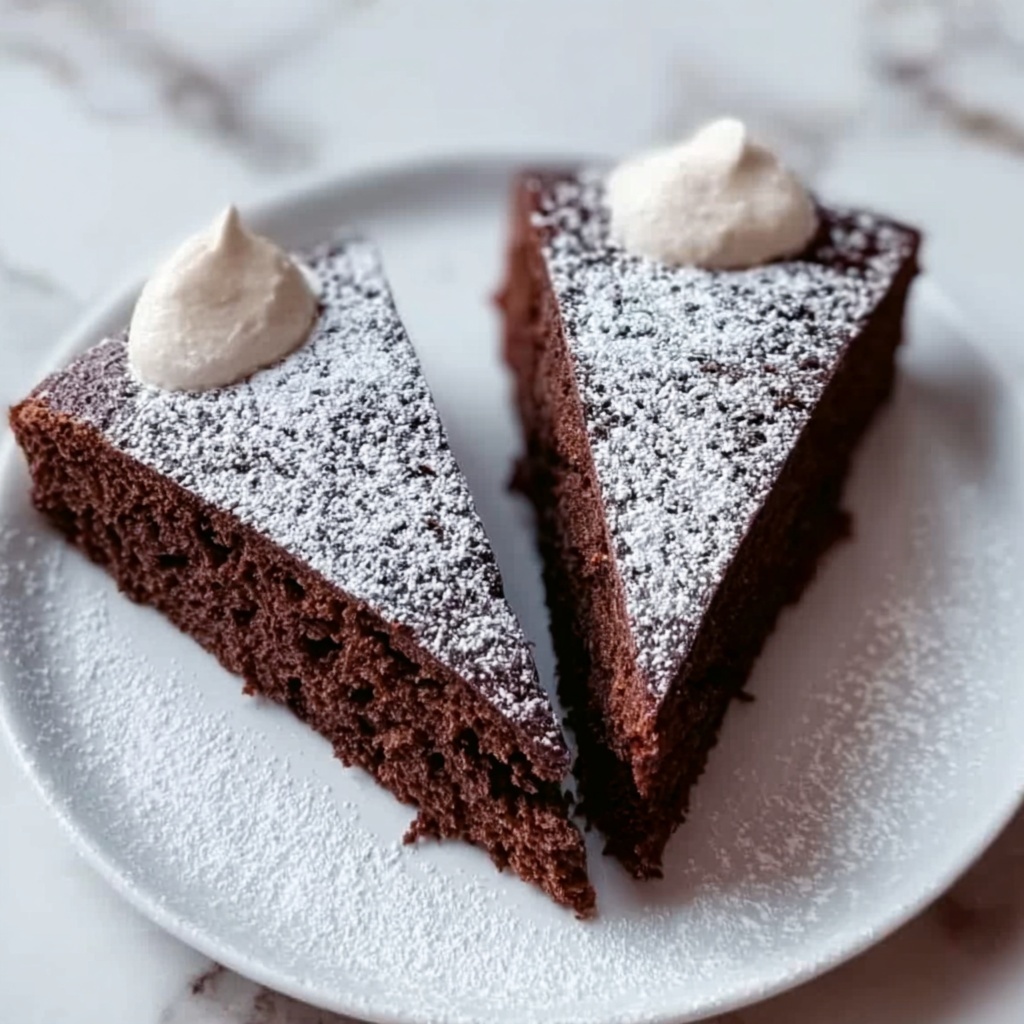
If you are looking for a dessert that effortlessly combines rich flavors and a tender, moist crumb, this Dark Chocolate Almond Cake Recipe is about to become your new favorite. With the deep, bittersweet notes of dark chocolate and the subtle nuttiness from whole almonds or almond flour, every bite feels like a special occasion. This cake manages to feel both indulgent and surprisingly light, making it perfect for sharing with friends or enjoying as a personal treat. Whether you’re a seasoned baker or just starting out, this recipe offers straightforward techniques that produce a stunningly delicious result.
Ingredients You’ll Need
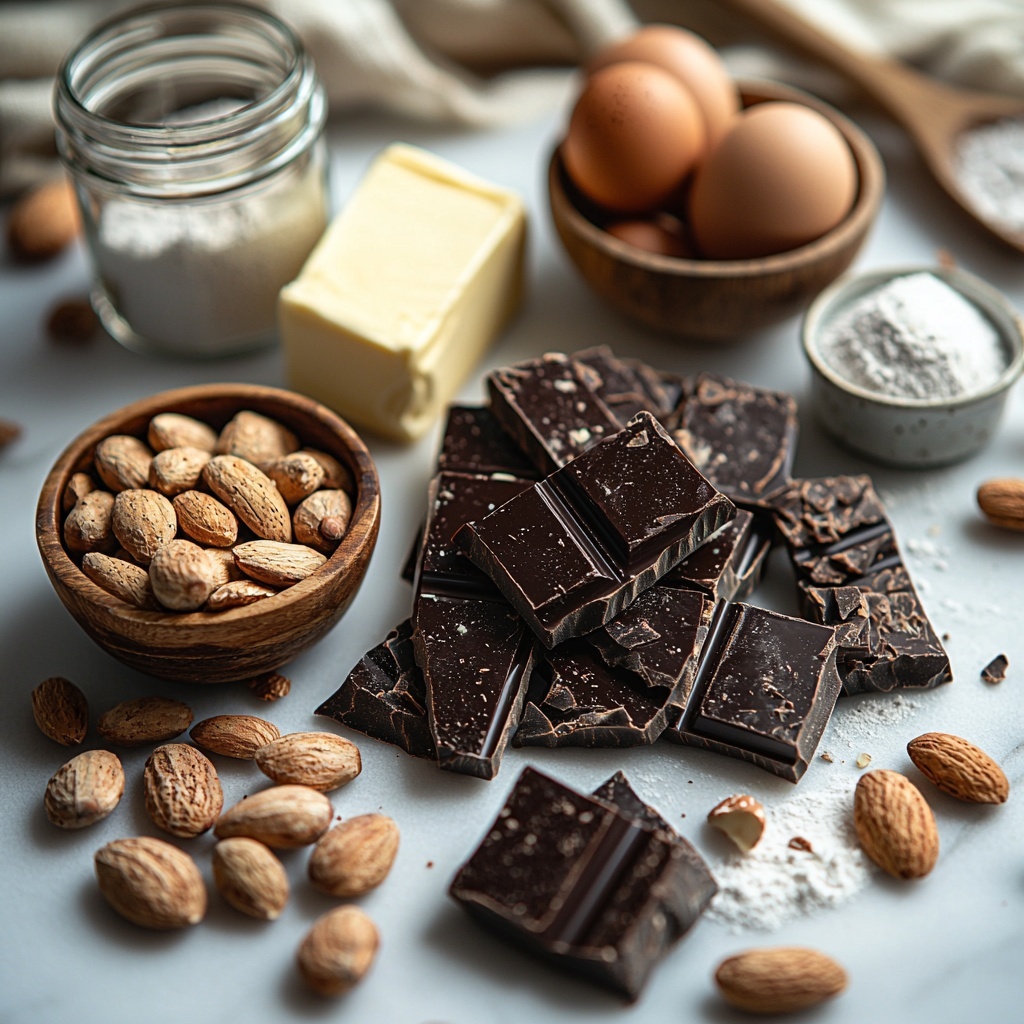
Each ingredient in this Dark Chocolate Almond Cake Recipe plays a crucial role, contributing to the cake’s texture, depth of flavor, and beautiful appearance. You’ll find them easy to gather, yet they come together to create something truly magical.
- Dark chocolate (125g/4.4 oz, 50-70% cocoa): Provides a rich, intense chocolate flavor and smooth texture when melted.
- Whole blanched almonds or almond flour (185g/6.5 oz): Adds a delicate nuttiness and keeps the cake moist and tender.
- Unsalted butter (125g/~1 stick): Offers creaminess and balances the chocolate’s intensity.
- Eggs, medium (3, room temperature): Essential for structure and lightness, separated to maximize fluffiness.
- Granulated sugar (125g/7 tbsp): Sweetens the cake while helping to create a creamy yolk mixture.
- Powdered sugar (for decoration): Adds a pretty finishing touch and a hint of sweetness without overpowering.
How to Make Dark Chocolate Almond Cake Recipe
Step 1: Melt the butter and dark chocolate
Start by gently melting your butter and dark chocolate together in a double boiler. This slow, careful melting method ensures the chocolate doesn’t burn and creates a velvety mixture that will enrich your cake with deep cocoa flavors. Set it aside to cool slightly so it won’t scramble the eggs when incorporated later.
Step 2: Separate the eggs
Separating the eggs is key to achieving the perfect texture. You’ll beat the whites to stiff peaks for lightness, and the yolks will be whipped with sugar to create a creamy base. This separation process makes the cake tender and airy without being heavy.
Step 3: Beat the egg whites
Whip the egg whites until they hold firm, glossy peaks. This whipped meringue is what gives the cake a lovely lift and keeps it moist yet fluffy. Be gentle when folding later to preserve all this wonderful airiness.
Step 4: Beat the yolks with sugar
Next, beat the egg yolks together with granulated sugar until the mixture is pale and creamy. This step is crucial for dissolving the sugar and establishing the cake’s rich, smooth body, adding a subtle sweetness that perfectly balances the chocolate.
Step 5: Incorporate the almond flour
Gradually mix in the almond flour or ground blanched almonds. This adds texture, depth, and flavor, creating the characteristic tender crumb so beloved in an almond cake. Make sure to fold it in gently but thoroughly.
Step 6: Add the melted chocolate
Pour your slightly cooled dark chocolate and butter mixture into the yolk and almond blend. Stir everything together well until the batter shines with chocolatey goodness. Take a moment to admire how the glossy batter reflects all the love you’re putting into this cake.
Step 7: Fold in the egg whites
Now comes the delicate part: gently fold the whipped egg whites into the batter using a wooden spoon or spatula. This process keeps the mixture light and airy, ensuring your cake will rise beautifully and have that melt-in-your-mouth texture.
Step 8: Prepare the pan and bake
Grease and flour a 20 cm (8-inch) springform pan to prevent sticking. Pour the batter in, smoothing the top to create an even surface. Bake at 350°F (180°C) for 30-35 minutes. Check for doneness by ensuring the center remains moist but is set — this balance keeps the cake luscious and not dry.
Step 9: Cool and decorate
After baking, allow the cake to cool in the pan for 30-40 minutes so it sets without cracking. Then transfer it to a cooling rack to cool completely. Before serving, dust with a light sprinkle of powdered sugar for a simple yet elegant finish that invites you to dig in.
How to Serve Dark Chocolate Almond Cake Recipe
Garnishes
A dusting of powdered sugar is classic and lovely, but you can also add a few toasted almond slivers for crunch and visual appeal. Fresh berries like raspberries or strawberries pair wonderfully, lending a pop of color and a fresh tartness to complement the rich chocolate.
Side Dishes
This cake is perfect on its own or served alongside a scoop of vanilla bean ice cream or a dollop of lightly whipped cream. For a more indulgent feel, a drizzle of raspberry coulis or salted caramel sauce elevates it to a dessert worthy of any celebration.
Creative Ways to Present
For a wow-factor, try serving slices layered with mascarpone and fresh fruit, creating a simple yet elegant dessert stack. Alternatively, cut cake into bite-sized squares, dust with powdered sugar, and serve with espresso shots for an irresistible party favor or afternoon treat.
Make Ahead and Storage
Storing Leftovers
Once cooled, store the cake in an airtight container at room temperature for up to 2 days. If it’s warmer in your kitchen, refrigerate it to maintain freshness. This cake actually tastes better after resting a little, as the flavors deepen and meld.
Freezing
Dark Chocolate Almond Cake Recipe freezes beautifully. Wrap it tightly in plastic wrap, then foil, and freeze for up to 1 month. Thaw overnight in the refrigerator to enjoy later without losing any of that moist, tender texture.
Reheating
Warm individual slices gently in the microwave for 10-15 seconds or in a low oven for a few minutes. This helps to revive the soft texture and fully awaken the rich chocolate aroma, making it feel freshly baked all over again.
FAQs
Can I use almond flour instead of whole almonds?
Absolutely! Almond flour is perfect for this cake and makes for a smoother batter. Just ensure you’re using blanched almond flour to avoid any bitterness from skins.
What cocoa percentage of dark chocolate is best?
A range between 50-70% cocoa works well. Higher cocoa percentages will give a more intense, slightly less sweet cake, while lower percentages add more sweetness and creaminess.
Why do I need to separate the eggs?
Separating the eggs and whipping the whites separately introduces air, creating a lighter, fluffier texture that balances the dense almond and chocolate base perfectly.
Can I substitute butter with oil?
Butter adds richness and flavor that oil can’t fully replace in this recipe. If needed, use a mild-flavored oil, but expect slight changes in taste and texture.
How do I know when the cake is done?
The cake is done when the center is set but still slightly soft to the touch. It will firm up as it cools, ensuring a moist and tender crumb that’s not overbaked.
Final Thoughts
This Dark Chocolate Almond Cake Recipe is truly a treasure for anyone who loves a dessert with depth and delight. It’s simple enough to make any day special and impressive enough to serve at a dinner party. I encourage you to give it a try—you just might discover your new go-to cake that brings smiles every time.
Print
Dark Chocolate Almond Cake Recipe
- Prep Time: 20 minutes
- Cook Time: 35 minutes
- Total Time: 55 minutes
- Yield: 8 servings
- Category: Dessert
- Method: Baking
- Cuisine: Italian
Description
This delicious Caprese Cake is a rich, moist Italian dessert that combines the deep flavors of dark chocolate and almonds. Perfectly baked to achieve a soft and slightly gooey center, this cake is enhanced by a light dusting of powdered sugar, making it an elegant treat ideal for any occasion.
Ingredients
Chocolate and Butter
- 125g (4.4 oz) dark chocolate (50-70% cocoa)
- 125g (~1 stick) unsalted butter
Nuts
- 185g (6.5 oz) whole blanched almonds or almond flour
Eggs and Sugar
- 3 medium eggs (room temperature)
- 125g (7 tbsp) granulated sugar
Decoration
- Powdered sugar for decoration
Instructions
- Melt Chocolate and Butter: In a double boiler, gently melt together the unsalted butter and dark chocolate until smooth and fully combined. Set aside to cool slightly to prevent cooking the eggs in later steps.
- Separate Eggs: Carefully separate the egg yolks from the whites, keeping the whites in a clean, dry bowl for whipping.
- Whip Egg Whites: Using a mixer or whisk, beat the egg whites until they form stiff, glossy peaks. Be careful not to overbeat.
- Mix Egg Yolks and Sugar: Beat the egg yolks with the granulated sugar until the mixture becomes pale, creamy, and slightly thickened.
- Add Almond Flour: Gradually incorporate the whole blanched almonds or almond flour into the egg yolk and sugar mixture, mixing gently but thoroughly.
- Combine with Chocolate Mixture: Stir the melted chocolate and butter mixture into the almond and yolk batter, blending well to achieve a uniform consistency.
- Fold in Egg Whites: Gently fold the beaten egg whites into the chocolate-almond mixture using a wooden spoon or spatula. Take care to fold lightly to preserve the airiness of the batter.
- Prepare Baking Pan: Grease and flour a 20 cm (8-inch) springform pan to ensure easy removal of the cake after baking.
- Pour and Smooth Batter: Pour the batter into the prepared springform pan, smoothing the top gently with a spatula.
- Bake the Cake: Bake in a preheated oven at 350°F (180°C) for 30-35 minutes. The cake should have a moist, slightly soft center when done.
- Cool in Pan and Rack: Allow the cake to cool in the pan for 30-40 minutes to set, then transfer it to a cooling rack to cool completely before removing from the pan.
- Decorate: Once fully cooled, dust the top of the cake with powdered sugar for an elegant finishing touch before serving.
Notes
- Using whole blanched almonds gives the cake a nice texture, but almond flour can be used for a smoother consistency.
- Ensure eggs are at room temperature for better volume when beating.
- Do not overbake; the center should remain moist and slightly soft, reminiscent of a brownie texture.
- Allow the cake to cool thoroughly to set properly before slicing.
- The cake can be stored in an airtight container at room temperature for up to 2 days or refrigerated for up to 4 days.
- For a nut-free variation, consider using an alternative flour, though this may affect texture and flavor.