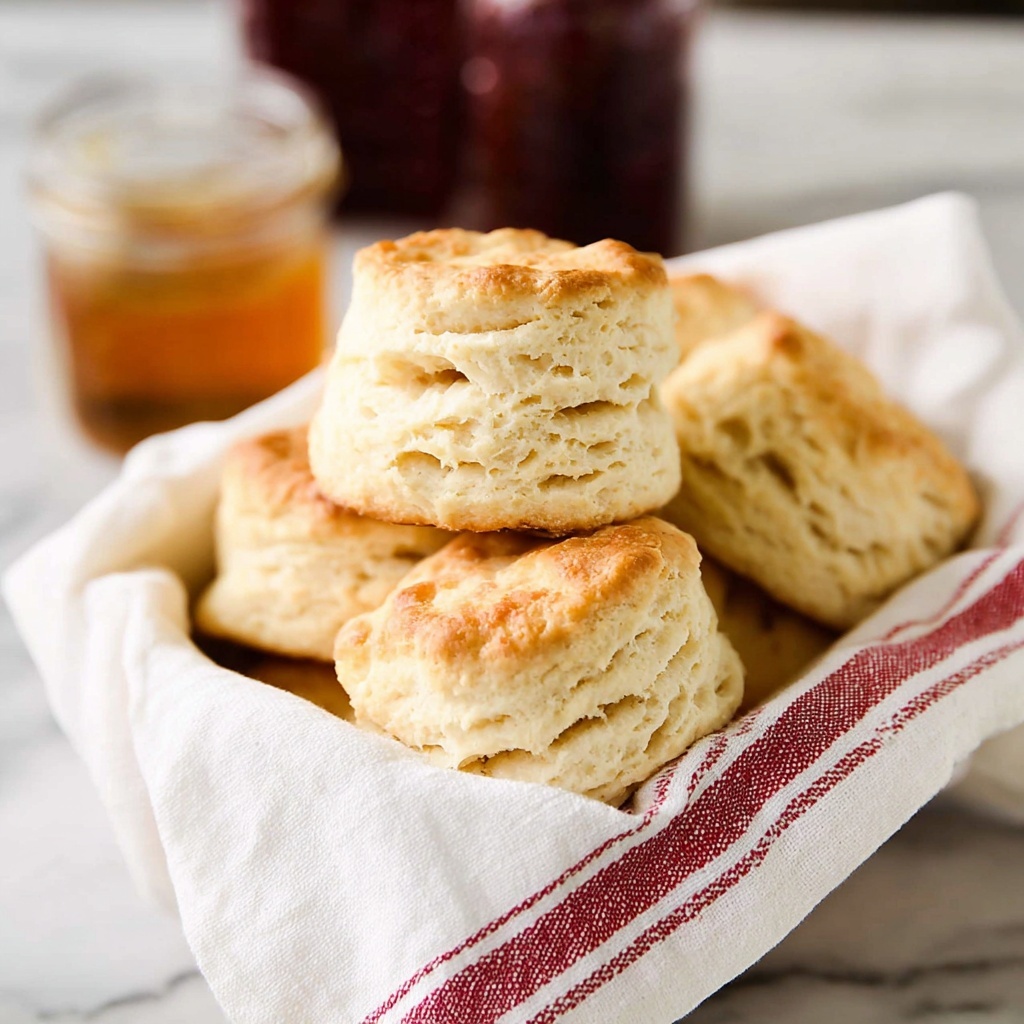
There is nothing quite as comforting and satisfying as biting into a warm, flaky biscuit fresh from the oven, and this Easy Buttermilk Biscuits Recipe delivers just that with such effortless charm. With simple ingredients and straightforward steps, these biscuits come together quickly, boasting a tender crumb, a buttery taste, and a golden crust that perfectly complements any meal. Whether you’re starting your morning with a stack or serving them alongside a hearty dinner, this recipe is a must-have in your kitchen repertoire.
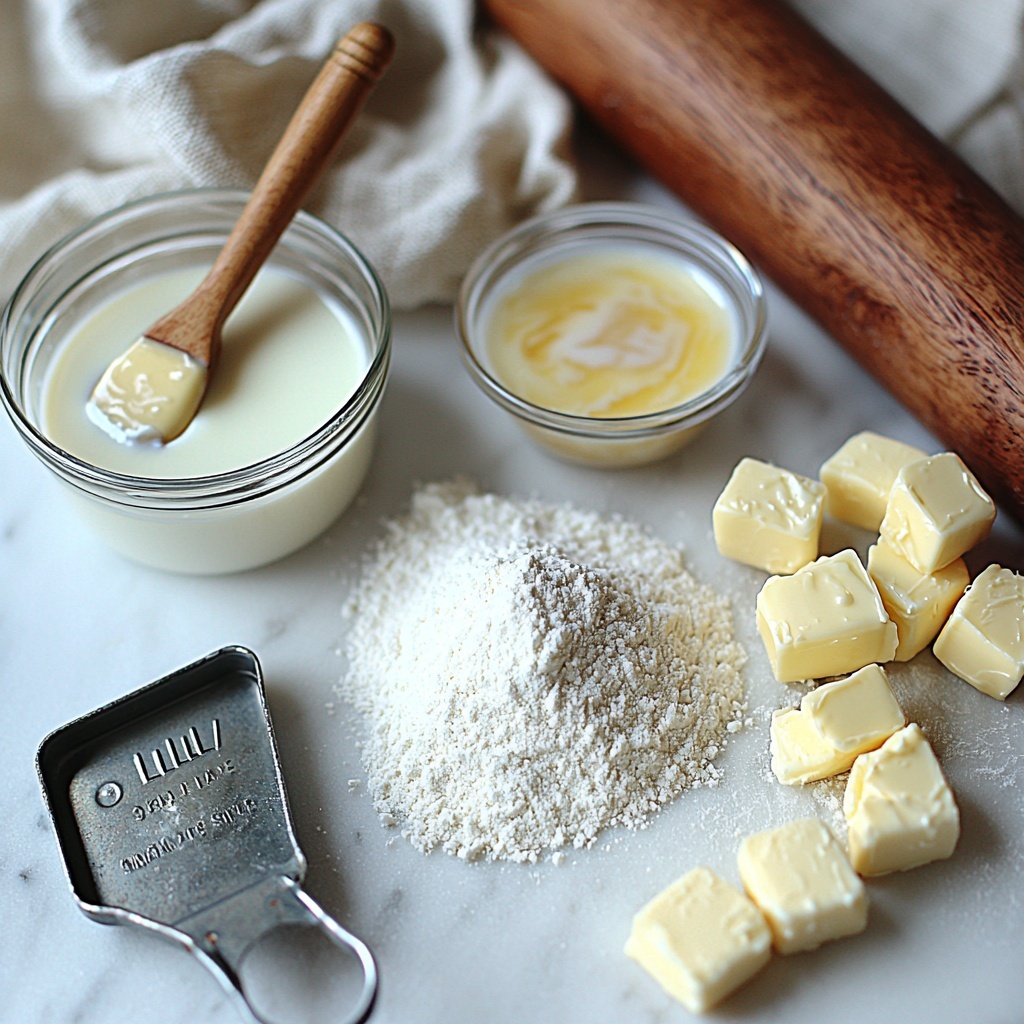
Ingredients You’ll Need
Every ingredient in this Easy Buttermilk Biscuits Recipe plays an essential role, working together in a simple but magical way. From the self-rising flour providing the perfect rise to the cold butter creating those flaky layers, each component brings out the best in these biscuits.
- White Lily Self-Rising Flour: This flour is known for its soft texture and perfect rise, making biscuits tender and fluffy.
- Cold Unsalted Butter: Keeping butter cold ensures flaky, layered biscuits with a rich buttery flavor.
- Cultured Nonfat Buttermilk: Buttermilk reacts with the flour and butter to create a light texture and a delightful tang.
- Unsalted Butter, Melted: Brushing this on top gives biscuits a beautiful golden shine and extra richness.
How to Make Easy Buttermilk Biscuits Recipe
Step 1: Preheat and Prepare Your Baking Surface
Start by heating your oven to 450 degrees Fahrenheit. Line your baking pan with a silicone baking mat or parchment paper to keep those biscuits from sticking and ensure easy cleanup. This step sets the stage for perfectly baked biscuits that pull away cleanly and evenly from the pan.
Step 2: Measure and Mix the Flour
Use a dry measuring cup to spoon and level the White Lily Self-Rising Flour into a large bowl. Proper measuring is key for the ideal biscuit texture — too much or too little flour can throw off the balance, so take your time here.
Step 3: Cut the Butter into the Flour
To achieve those signature flaky layers, cut your cold butter into the flour until the mixture resembles small peas. You can use a pastry blender for this, or for an easier twist, grate the butter while frozen and gently stir it into the flour. This distributes the butter evenly for that tender, layered crumb.
Step 4: Add Buttermilk and Form the Dough
Pour in the cultured nonfat buttermilk and stir just until combined. The dough should feel like thick mashed potatoes — moist but not sticky. If it’s too wet, sprinkle a little more flour; if it’s too dry, add a splash more buttermilk. This step requires a gentle touch to avoid overworking the dough, which can lead to tough biscuits.
Step 5: Layer the Dough for Flakiness
Turn the dough onto a floured surface and knead lightly if it’s not holding together. Flatten it into a rectangle and fold it like a letter in thirds (a tri-fold). Repeat the flour dusting and tri-fold two more times. This process creates those wonderful flaky layers that make biscuits so irresistible.
Step 6: Cut Out Your Biscuits
Flatten the dough into a rectangle about 3/4 to 1 inch thick. Use a floured biscuit cutter between 2 and 2 1/2 inches in diameter, and press straight down without twisting to keep the edges sharp for a better rise. Place the biscuits close together on the baking pan for soft sides or space them out for crispy edges.
Step 7: Bake and Finish
Re-roll the scraps to cut out additional biscuits until you have 10 to 12 total. Brush the tops with melted unsalted butter before baking to enhance the golden color and add a subtle buttery finish. Bake for about 15 minutes or until the biscuits turn a beautiful golden brown.
How to Serve Easy Buttermilk Biscuits Recipe
Garnishes
Warm biscuits are a blank canvas that can be elevated with simple garnishes like a pat of honey butter, a drizzle of maple syrup, or a sprinkle of flaky sea salt. Fresh herbs like chives or thyme add a fresh burst of flavor if you want something savory.
Side Dishes
These biscuits pair beautifully with classic Southern staples such as creamy gravy, fried chicken, or collard greens. They also work wonderfully alongside soups, stews, or a hearty breakfast of scrambled eggs and bacon. Their versatility makes them a crowd-pleaser at any meal.
Creative Ways to Present
For a fun twist, slice these Easy Buttermilk Biscuits in half and layer with ham and cheese for a quick biscuit sandwich. Or turn them into mini sliders with fried chicken and pickles. You can even use them as the base for a biscuit-based bread pudding dessert topped with fresh fruit and whipped cream.
Make Ahead and Storage
Storing Leftovers
If you have leftover biscuits, store them in an airtight container at room temperature for up to two days to preserve softness. Avoid refrigerating them as it can dry out the biscuits quickly.
Freezing
To keep biscuits fresh longer, freeze them in a sealed bag or container. Place parchment papers between layers to prevent sticking. When ready to enjoy, thaw at room temperature or reheat directly from frozen.
Reheating
For soft biscuits, reheat in a 350-degree oven wrapped in foil for 10-15 minutes. If you want a crispier crust, skip the foil for the last few minutes. Microwaving works in a pinch, but you might sacrifice a little of that fresh-baked texture.
FAQs
Can I use regular all-purpose flour instead of self-rising flour?
You can, but you will need to add baking powder and salt to mimic self-rising flour’s leavening. For precise results, stick to self-rising flour, especially White Lily, for that classic biscuit texture.
Why is cold butter important in this Easy Buttermilk Biscuits Recipe?
Cold butter creates steam during baking, which helps form those signature flaky layers that make biscuits light and tender. Warm butter will just melt into the dough and produce a denser texture.
Can I substitute milk for buttermilk?
While buttermilk is best for tang and tenderness, you can make a quick substitute by adding 1 tablespoon of lemon juice or vinegar to 3/4 cup milk and letting it sit for 5 minutes before using.
How thick should I roll out the dough?
Rolling the dough to about 3/4 to 1 inch thick is ideal. Too thin and the biscuits become flat; too thick and they may be doughy inside. This thickness allows the perfect rise and fluffy center.
Why do some biscuit recipes call for folding the dough multiple times?
The folding creates layers in the dough by distributing chunks of butter evenly, resulting in a flaky texture after baking. This technique is what elevates simple dough into irresistible, delicate biscuits.
Final Thoughts
Now that you have this Easy Buttermilk Biscuits Recipe in your back pocket, you’re just a few steps away from creating warm, flaky, buttery biscuits any time you crave them. Whether you’re an experienced baker or a kitchen newbie, this recipe is both approachable and rewarding. So, grab your ingredients, roll up your sleeves, and get ready to make biscuits that will have everyone asking for seconds.
Print
Easy Buttermilk Biscuits Recipe
- Prep Time: 15 minutes
- Cook Time: 15 minutes
- Total Time: 30 minutes
- Yield: 10 to 12 biscuits
- Category: Breakfast
- Method: Baking
- Cuisine: American
- Diet: Vegetarian
Description
These Easy Buttermilk Biscuits are flaky, tender, and buttery, perfect for breakfast or as a side to any meal. With minimal ingredients and simple steps, you can make classic homemade biscuits that bake up golden brown and delicious in just 35 minutes.
Ingredients
Dry Ingredients
- 2 cups White Lily Self-Rising Flour
Fats
- 1/2 cup cold unsalted butter
- 2 tablespoons unsalted butter, melted (for brushing)
Liquids
- 3/4 cup cultured nonfat buttermilk
Instructions
- Preheat Oven: Preheat your oven to 450°F and line a baking pan with a silicone baking mat or parchment paper to prevent the biscuits from sticking.
- Measure Flour: Spoon the self-rising flour into a dry measuring cup and level it off carefully, then place it in a large mixing bowl.
- Cut in Butter: Cut the cold unsalted butter into the flour using a pastry blender until pieces are about the size of small peas. Alternatively, freeze the butter and grate it with a box grater, then stir together with the flour to distribute evenly.
- Add Buttermilk: Pour in the buttermilk and stir gently until just combined. The dough should resemble thick mashed potatoes — if it’s too sticky, add a little more flour; if too dry, add a splash more buttermilk.
- Knead and Fold: Turn the dough onto a floured surface and knead lightly a few times if the dough isn’t coming together well. Flatten into a rectangle, then fold it into thirds (tri-fold). Repeat this process two more times, dusting with flour as needed to prevent sticking. This builds flaky layers in the biscuits.
- Cut Biscuits: Roll or press the dough into a rectangle about 3/4 to 1 inch thick. Using a floured biscuit cutter (2 to 2 1/2 inches), cut out biscuits with a straight up-and-down motion, avoiding twisting. Place them close together on the prepared baking sheet for soft edges or spaced apart for crunchier edges.
- Re-roll Dough: Gather leftover dough, flatten it again, and cut more biscuits until you have 10 to 12 in total.
- Brush and Bake: Brush the tops of the biscuits with the melted butter for a golden crust. Bake in the preheated oven for about 15 minutes, or until golden brown and cooked through.
Notes
- Using self-rising flour eliminates the need for additional leavening agents like baking powder or baking soda.
- To get flaky layers, be sure to handle the dough lightly and perform the tri-fold technique carefully without overworking.
- For softer biscuit edges, place the biscuits close together on the baking sheet; for crisper edges, space them further apart.
- Cold butter is key for flaky texture—don’t let it soften before incorporating into the flour.
- If you don’t have cultured nonfat buttermilk, you can substitute with regular buttermilk or make a DIY version by adding 1 tablespoon vinegar or lemon juice to 3/4 cup milk and let it sit for 5 minutes.