Description
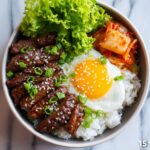
This Korean Beef Bulgogi recipe features tender, thinly sliced ribeye or sirloin steak marinated in a savory and slightly sweet sauce, then quickly grilled and caramelized with a honey butter glaze. Accompanied by sautéed vegetables and served with rice or wrapped in lettuce leaves, this classic Korean dish is full of vibrant flavors and perfect for a flavorful weeknight dinner or special occasion.
Ingredients
Scale
Beef and Marinade
- 1.5 lbs ribeye or sirloin steak, thinly sliced against the grain
- 6 tbsp soy sauce
- 3 tbsp brown sugar
- 2 tbsp sesame oil
- 4 cloves garlic, minced
- 1 tbsp fresh ginger, grated
- 1/2 Asian pear or red apple, grated
- 2 tbsp mirin (optional)
- 1 tbsp gochujang (optional, for spice)
- 1/4 tsp black pepper
- 2 tbsp finely chopped green onions
- 1 tsp toasted sesame seeds
Cooking
- 1 tbsp neutral oil (for cooking)
- 1 small onion, thinly sliced
- 1 carrot, julienned
- 1 cup mushrooms (shiitake or white button), sliced
- 2 tbsp honey butter (1 tbsp melted butter + 1 tbsp honey, mixed)
Serving
- Cooked rice, for serving
- Lettuce leaves or perilla leaves, for wrapping
- Extra sesame seeds and sliced green onions, for garnish
Instructions
- Prepare the Beef: Place the beef in the freezer for 30 minutes to firm it up, which makes it easier to slice thinly. Using a sharp knife, cut the beef into thin strips against the grain to ensure tenderness.
- Make the Marinade: In a large bowl, whisk together soy sauce, brown sugar, sesame oil, minced garlic, grated ginger, grated Asian pear or apple, mirin (if using), gochujang (if desired for spice), and black pepper. Stir in the finely chopped green onions and toasted sesame seeds to infuse the marinade with flavor.
- Marinate the Beef: Add the sliced beef to the marinade, making sure each strip is fully coated. Cover the bowl and refrigerate for at least one hour, but preferably overnight, to allow the beef to absorb all the flavors and tenderize.
- Prepare Vegetables: While the beef marinates, thinly slice the onion, julienne the carrot, and slice the mushrooms to prepare the vegetable accompaniment.
- Cook the Bulgogi: Heat a grill pan or cast iron skillet over medium-high heat and add the neutral oil. Cook the marinated beef in batches to avoid overcrowding the pan, searing each side for 2 to 3 minutes until the meat is nicely caramelized. Just before removing the meat, drizzle the honey butter over the beef and toss quickly to glaze it beautifully. Set aside the cooked beef once done.
- Sauté the Vegetables: In the same pan used for the beef, add the sliced onions, julienned carrots, and mushrooms. Sauté for 3 to 4 minutes until the vegetables soften and develop a light caramelization, picking up the savory flavors left in the pan.
- Serve: Arrange the cooked beef and sautéed vegetables on a serving plate. Garnish with additional sesame seeds and sliced green onions. Serve hot with steamed rice or wrapped in lettuce or perilla leaves. Pair with kimchi to complete this traditional Korean meal experience.
Notes
- For best flavor and tenderness, marinate the beef overnight if possible.
- If you prefer spicier bulgogi, increase the amount of gochujang or add sliced fresh chili peppers.
- Asian pear or apple helps tenderize the meat naturally and adds a subtle sweetness.
- Using a grill pan or cast iron skillet helps achieve the classic caramelized edges and smoky flavor.
- Honey butter glaze adds a beautiful shine and slight sweetness to the finished beef.
- Serve with kimchi or other Korean side dishes for an authentic meal.