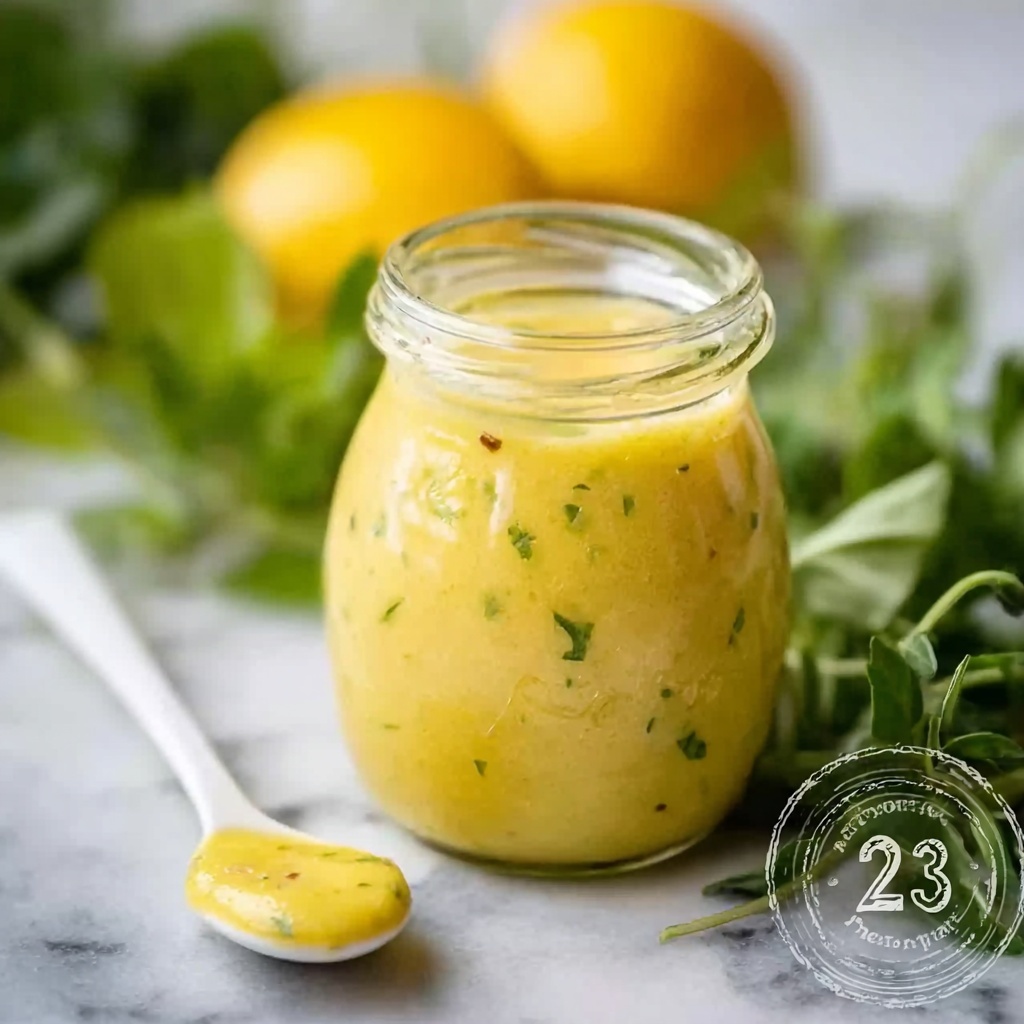
If you’re searching for a vibrant and refreshing addition to your salads and meals, this Lemon Vinaigrette Dressing Recipe will quickly become your go-to. Bursting with zesty lemon flavor, balanced sweetness, and aromatic herbs, this dressing effortlessly brightens up any dish. Whether drizzled over greens or used as a marinade, it’s incredibly simple to make yet elevates your food to a whole new level of deliciousness. The perfect harmony of tangy lemon, smooth olive oil, and a touch of honey creates a dressing that’s not just flavorful but utterly irresistible.
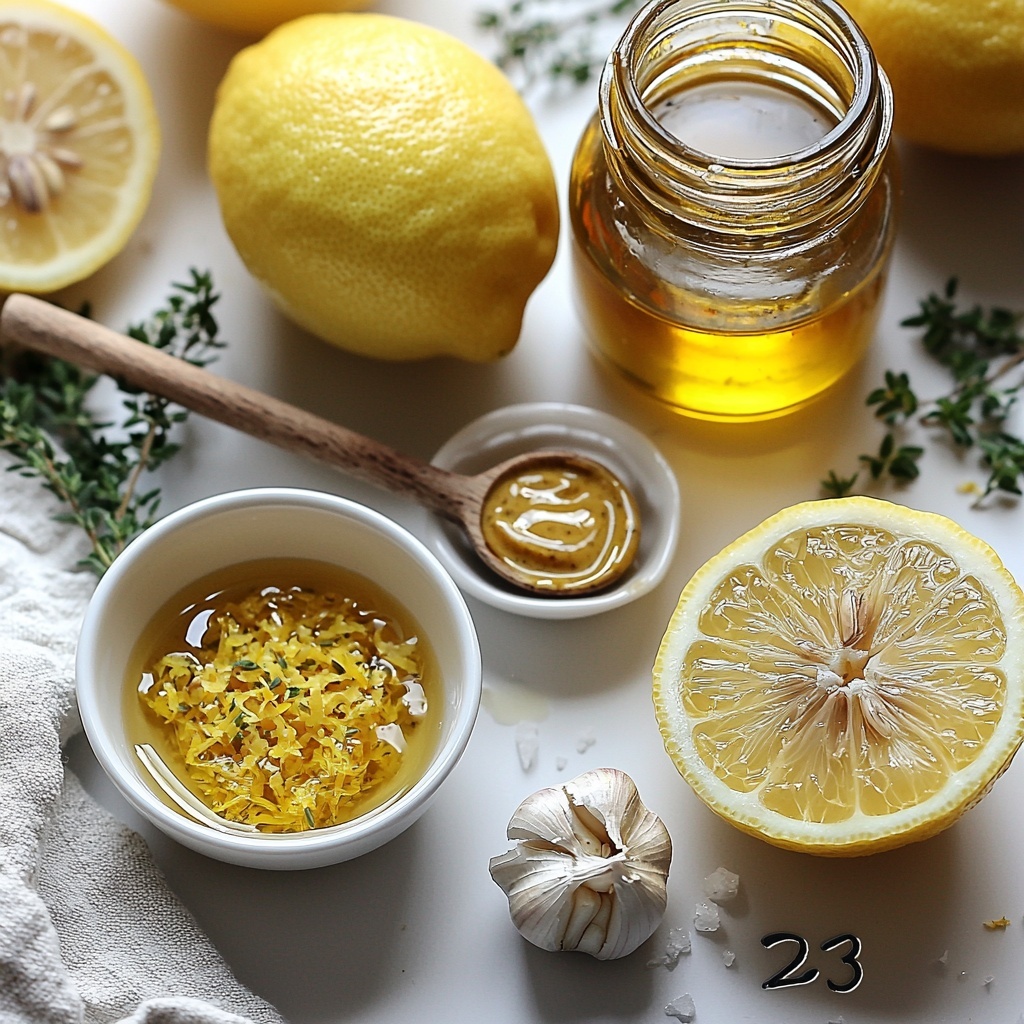
Ingredients You’ll Need
These ingredients are straightforward and widely available, yet each one plays a crucial role in building the perfect balance of flavor and texture for your Lemon Vinaigrette Dressing Recipe.
- ½ cup olive oil (or avocado oil): The base fat that gives creaminess and helps emulsify the dressing for a smooth finish.
- 1 tsp lemon zest (finely grated): Packs an intense citrus aroma and brightens the dressing with natural oils from the lemon peel.
- ¼ cup fresh lemon juice (about 2 Tbsp for 6 servings): Provides tangy acidity that wakes up your palate and balances the richness of the oil.
- 2 Tbsp honey or agave nectar: Adds a gentle sweetness to round out the sharpness of the lemon juice.
- 1 tsp Dijon mustard (or yellow mustard): Acts as an emulsifier and introduces subtle savory depth.
- 1 clove garlic, crushed or finely minced: Brings a warm, pungent kick that complements the citrus perfectly.
- 2 tsp fresh thyme, finely chopped: Offers a herbal note that adds complexity without overpowering.
- ¼ tsp salt: Enhances all the flavors and ties the ingredients together harmoniously.
How to Make Lemon Vinaigrette Dressing Recipe
Step 1: Zest and Juice Your Lemon
Always zest the lemon before cutting and juicing it. This simple step guarantees you capture the maximum lemon flavor from the zest while ensuring your dressing remains super fresh and vibrant.
Step 2: Combine the Ingredients Except the Oil
In a high-speed blender or mini food processor, add the lemon juice, lemon zest, honey, Dijon mustard, garlic, thyme, and salt. Pulsing or blending these together ensures the flavors begin to meld beautifully and your mustard and honey dissolve evenly.
Step 3: Emulsify with Olive Oil
With the motor running, slowly drizzle in the olive oil. This gradual addition allows the oil to emulsify with the acidic ingredients creating a luxuriously smooth, creamy dressing that clings perfectly to your salad greens.
Step 4: Alternative Mixing Methods
If you don’t have a blender or processor handy, whisk the ingredients vigorously in a bowl or shake them up in a tightly sealed jar until well combined. Just keep in mind, blending creates a creamier texture that’s irresistible.
Step 5: Store Properly
Transfer your finished Lemon Vinaigrette Dressing Recipe to an airtight container and refrigerate. While it may separate over time, a quick shake or stir brings it right back to life. Best enjoyed within a week for optimum freshness and flavor.
How to Serve Lemon Vinaigrette Dressing Recipe
Garnishes
A sprinkle of freshly chopped herbs like parsley, extra thyme, or even a bit of lemon zest on top adds a lovely burst of color and freshness that complements the zippy dressing beautifully.
Side Dishes
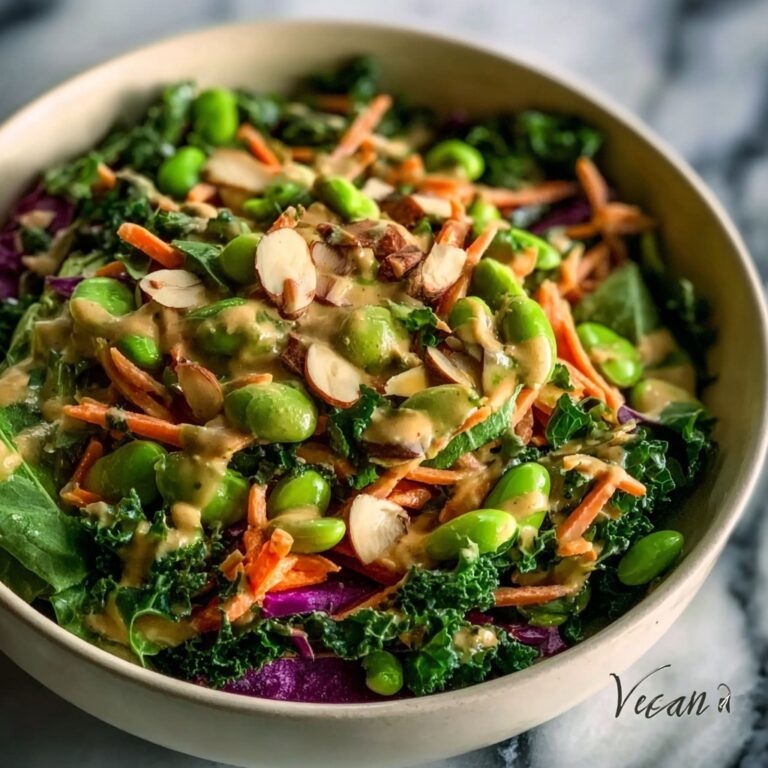
This dressing shines when paired with crisp spring greens, roasted vegetables, grilled chicken, or even drizzled over quinoa salads. It adds brightness that effortlessly lifts side dishes, making them feel light yet full of flavor.
Creative Ways to Present
Try serving the Lemon Vinaigrette Dressing Recipe as a dipping sauce alongside fresh crudités or use it as a marinade for fish or shrimp. You can also dollop it over warm roasted potatoes for a tangy twist that surprises and delights every bite.
Make Ahead and Storage
Storing Leftovers
Keep your leftover Lemon Vinaigrette Dressing Recipe tightly sealed in the fridge, where it will keep fresh and flavorful for up to one week. Give it a good shake or stir before each use to remix any separation that naturally occurs over time.
Freezing
Since this vinaigrette relies on fresh lemon and oil, freezing is not recommended. The texture and flavor will degrade after thawing, so it’s best to make it fresh or store in the fridge for short-term use.
Reheating
This dressing is best served cold or at room temperature to preserve its bright and zesty character. There’s no need to reheat; instead, simply shake or whisk before drizzling over your favorite dishes.
FAQs
Can I use bottled lemon juice instead of fresh?
For the freshest flavor in your Lemon Vinaigrette Dressing Recipe, fresh lemon juice is always preferred. Bottled lemon juice tends to lack brightness and can alter the final taste of your dressing.
What can I substitute for olive oil?
Avocado oil is a great alternative that brings a similarly smooth texture without overpowering the lemon’s brightness. Other neutral oils like grapeseed work as well, but avoid strongly flavored oils to keep balance.
Is this dressing suitable for vegan diets?
Absolutely! If you swap honey for agave nectar or another plant-based sweetener, the Lemon Vinaigrette Dressing Recipe is entirely vegan-friendly and just as delicious.
How long does the dressing stay fresh?
Stored in an airtight container in the refrigerator, your dressing will maintain its vibrant flavor for up to one week. Beyond that, it might start to lose its freshness and zest.
Can I omit the mustard?
You can, but mustard helps emulsify the dressing and adds a subtle tangy depth. If you don’t have it on hand, whisk the ingredients really well to encourage the oil and lemon juice to combine.
Final Thoughts
Now that you have this easy and wonderfully flavorful Lemon Vinaigrette Dressing Recipe in your kitchen toolkit, you’re just minutes away from transforming ordinary salads and dishes into something spectacular. Its bright lemon zing, balanced sweetness, and herbaceous notes make it a versatile favorite that’s sure to brighten many meals. I can’t wait for you to make it and enjoy every vibrant, fresh bite!
Print
Lemon Vinaigrette Dressing Recipe
- Prep Time: 5 minutes
- Cook Time: 0 minutes
- Total Time: 5 minutes
- Yield: 6 servings
- Category: Salad Dressing
- Method: Blending
- Cuisine: American
- Diet: Vegetarian
Description
A bright and tangy Lemon Vinaigrette Dressing made with fresh lemon juice, zest, olive oil, honey, Dijon mustard, garlic, and thyme. Perfect for salads, marinades, or a flavorful drizzle to enhance your dishes, this dressing is quick to prepare and offers a creamy, emulsified texture when blended.
Ingredients
Vinaigrette Ingredients
- ½ cup olive oil (or avocado oil)
- 1 tsp lemon zest (finely grated)
- ¼ cup fresh lemon juice (about 2 Tbsp for 6 servings)
- 2 Tbsp honey or agave nectar
- 1 tsp Dijon mustard (or yellow mustard)
- 1 clove garlic, crushed or finely minced
- 2 tsp fresh thyme, finely chopped
- ¼ tsp salt
Instructions
- Zesting the Lemon: Zest the lemon before cutting and juicing it to ensure you capture the maximum bright citrus flavor from the peel.
- Combine Ingredients: In a high-speed blender or mini-food processor, combine lemon juice, lemon zest, honey, Dijon mustard, garlic, thyme, and salt. Blend or pulse the mixture until it is well mixed and uniform.
- Emulsify the Dressing: With the blender running, slowly drizzle in the olive oil to emulsify the vinaigrette, resulting in a creamy, smooth texture.
- Alternative Mixing Method: If you don’t have a blender, whisk the ingredients vigorously in a bowl or shake them together in a jar until combined, though blending will yield a creamier consistency.
- Storage: Transfer the dressing to an airtight container and store in the refrigerator. Use within one week. Note that the dressing may separate over time; shake well before each use.
Notes
- For a vegan option, substitute honey with agave nectar or another plant-based sweetener.
- Use fresh thyme for the best flavor or substitute with other fresh herbs like basil or oregano.
- The dressing separates upon standing but shakes back together easily.
- Adjust salt and sweetness to your taste preference.
- Perfect for green salads, roasted vegetables, or as a marinade for chicken and fish.