
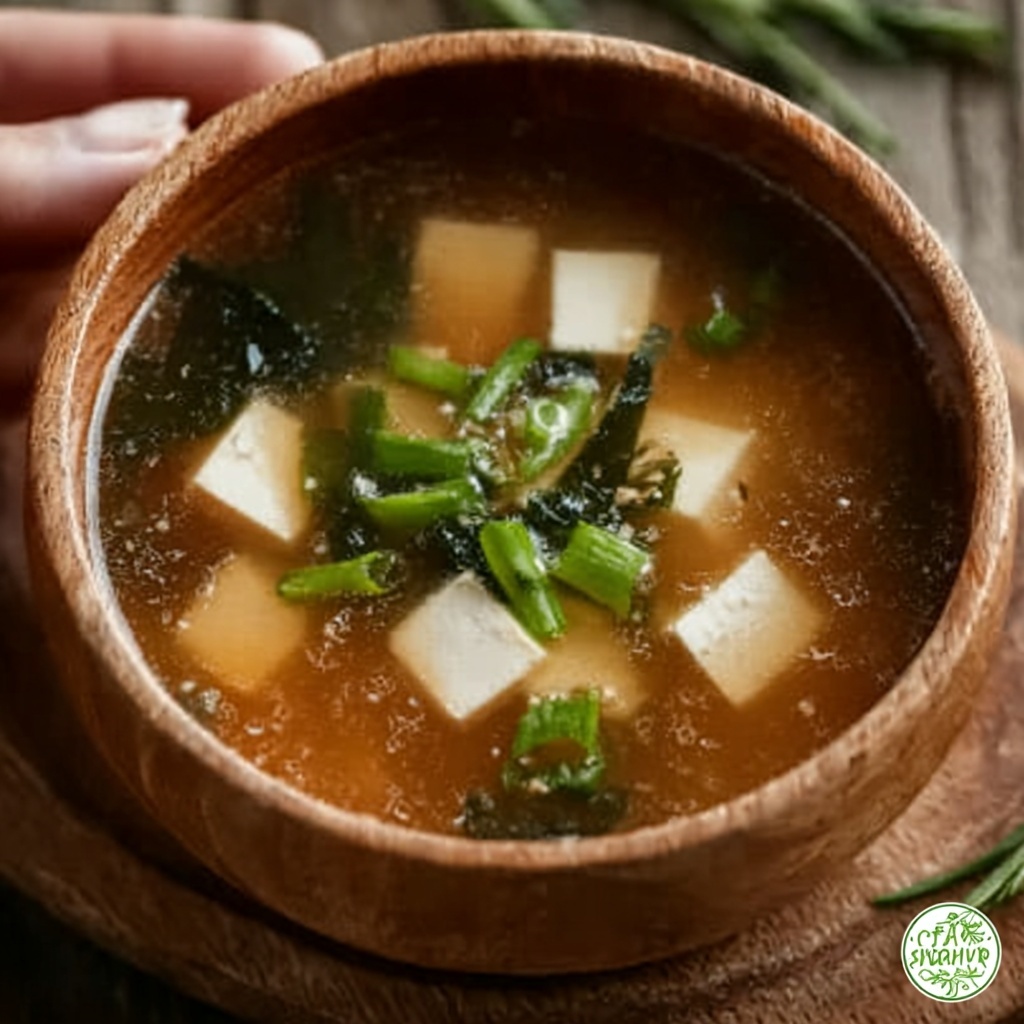
If you have ever craved a comforting, deeply flavorful soup that feels like a warm hug in a bowl, then you are in for a treat with this Miso Soup: An Incredible Ultimate Recipe for Amazing Flavor Recipe. This traditional Japanese soup is deceptively simple yet brimming with umami richness from the miso paste and dashi broth, complemented by silky tofu, earthy mushrooms, and nourishing wakame seaweed. Every spoonful feels both nourishing and refreshing, making it perfect for any occasion—whether a quick weeknight meal or a soothing starter for a special dinner. Trust me, once you master this Miso Soup: An Incredible Ultimate Recipe for Amazing Flavor Recipe, it will become your go-to for elevating simple ingredients into a truly satisfying experience.
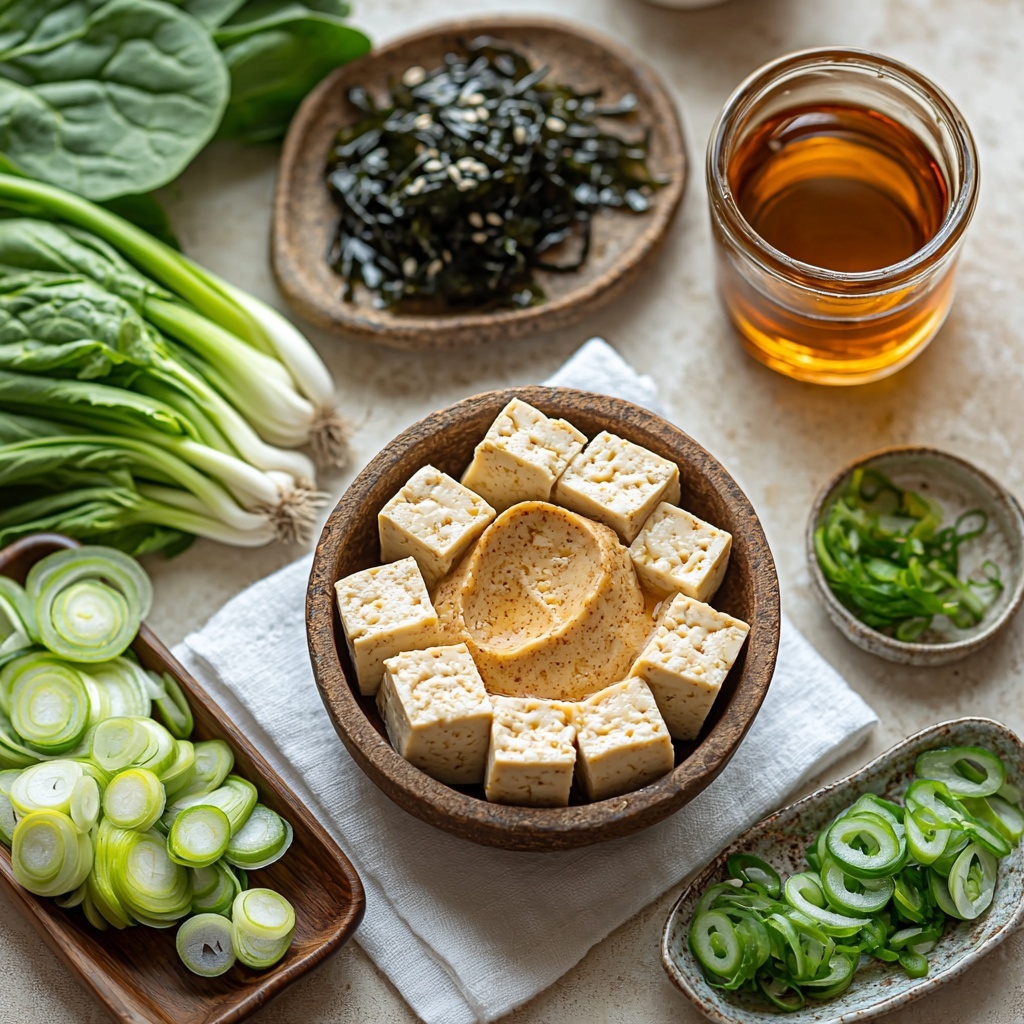
Ingredients You’ll Need
The magic of this Miso Soup: An Incredible Ultimate Recipe for Amazing Flavor Recipe lies in its straightforward, thoughtfully selected ingredients. Each component plays a vital role, balancing texture, depth of flavor, and vibrant color to create a harmonious bowl of soup that warms your soul.
- Dashi (4 cups): The heart of the soup, this Japanese broth forms the umami-rich base that makes miso soup so distinctive.
- Miso paste (3 tablespoons): Whether you choose white or red, this fermented soybean paste is the soul of the soup, adding complexity and a savory punch.
- Firm or silken tofu (1 block): Cubed tofu introduces a silky, delicate texture that contrasts beautifully with the broth.
- Wakame seaweed (1 cup, rehydrated): This seaweed adds a pleasant chew and a touch of ocean freshness to every bite.
- Green onions (2, sliced): Bright and subtly sharp, perfect for garnishing and adding a fresh finish.
- Mushrooms (1 cup, sliced): Shiitake or your favorites, they bring an earthy depth and extra umami to the soup.
- Optional vegetables (bok choy or spinach): These greens add vibrant color and extra nutrients if you want to boost the freshness.
- Optional soy sauce or sesame oil (a few drops): For those who love a little extra seasoning or a nutty fragrance.
How to Make Miso Soup: An Incredible Ultimate Recipe for Amazing Flavor Recipe
Step 1: Prepare the Dashi
This step sets the foundation for your soup’s incredible umami character. If you’re using dashi powder, dissolve it in 4 cups of water over medium heat. If you have pre-made dashi, simply warm it gently in a pot. The goal is to start with a flavorful broth that will elevate each ingredient in the soup.
Step 2: Heat the Broth
Bring your dashi or water to a gentle simmer. Avoid boiling vigorously as that can affect the delicate flavors we want to preserve for an authentic and silky miso soup experience.
Step 3: Add Tofu
Carefully add the cubed tofu to the simmering broth. Let it warm for about 5 minutes so it absorbs some of the broth’s lovely savory notes without breaking apart. This gentle simmer helps tofu maintain its perfect texture.
Step 4: Incorporate Mushrooms
Next, add your sliced mushrooms to the pot. Cook them for 3 to 5 minutes until tender and fragrant. Mushrooms contribute an earthy richness that deepens the soup’s flavor profile beautifully.
Step 5: Mix in Miso
In a separate bowl, ladle some hot broth and whisk in the miso paste until it’s completely smooth. This trick ensures your miso dissolves evenly without clumping when added back to the pot.
Step 6: Combine Miso with Broth
Pour the miso mixture back into your pot and gently stir to blend everything together. Remember to keep the heat low here—boiling miso can dull its vibrant flavors and diminish the soup’s lovely aroma.
Step 7: Add Wakame Seaweed
Stir in your rehydrated wakame seaweed and let it soften in the broth for about a minute. This step enhances the oceanic notes and adds a pleasant chewy texture that balances the softness of tofu.
Step 8: Garnish with Green Onions
Turn off the heat and gently stir in the sliced green onions. They provide a pop of fresh color and a subtle sharpness that brightens the entire dish.
Step 9: Taste and Adjust
Give your soup a taste and, if desired, add a few drops of soy sauce or sesame oil for an extra layer of savory or nutty flavor. These small touches can personalize your soup perfectly.
Step 10: Serve
Ladle the soup into bowls, making sure each serving gets a beautiful mix of tofu, mushrooms, seaweed, and green onions. Your Miso Soup: An Incredible Ultimate Recipe for Amazing Flavor Recipe is now ready to be savored!
How to Serve Miso Soup: An Incredible Ultimate Recipe for Amazing Flavor Recipe
Garnishes
Beyond green onions, you can elevate your presentation with a sprinkle of toasted sesame seeds, a few thin slices of fresh chili for a spicy kick, or even a touch of grated ginger. These simple garnishes bring extra visual appeal and taste contrasts to this humble soup.
Side Dishes
Miso soup pairs perfectly with steamed rice, pickled vegetables, or a light salad dressed with sesame and soy. For a more substantial meal, try serving it alongside grilled fish or teriyaki chicken to complement the soup’s umami depth.
Creative Ways to Present
Serve your miso soup in pretty lacquer bowls or rustic ceramic dishes to elevate the dining experience. You might also add bite-sized skewers with tofu and a dab of miso glaze as a fun fusion bite to accompany the soup.
Make Ahead and Storage
Storing Leftovers
Keep leftover miso soup in a sealed container in the refrigerator for up to 2 days. It’s best to store the broth and solid ingredients together to preserve the flavors and prevent the tofu from drying out.
Freezing
Miso soup generally doesn’t freeze well because the texture of tofu and seaweed changes during thawing. For the freshest taste and texture, it’s better to consume it fresh or refrigerate for short-term storage.
Reheating
When reheating, warm the soup gently over low heat to keep the delicate flavors intact. Avoid boiling as that can cause miso to lose its nuanced flavor and tofu to become rubbery. Stir gently and serve warm.
FAQs
Can I use water instead of dashi?
Yes, you can use water if you don’t have dashi, but the soup will be less rich in umami. Consider adding a little more miso or mushrooms to compensate for the milder base.
What type of miso paste is best for this recipe?
Both white (shiromiso) and red (akamiso) miso work beautifully. White miso offers a milder, sweeter flavor, while red miso gives a stronger, more robust taste. Feel free to mix them for balance!
Can I add other vegetables?
Absolutely! Spinach, bok choy, or even thinly sliced carrots can add wonderful texture and nutrition, enhancing the soup while keeping it light and fresh.
Is miso soup vegetarian or vegan?
Traditional dashi often contains fish flakes, so for a vegan version, use kombu (kelp) dashi or vegetable broth as your base and check your miso paste is free from animal products.
Why shouldn’t I boil the miso paste?
Boiling miso paste can ruin its delicate flavors and destroy beneficial bacteria if you’re enjoying it for its probiotic benefits. Warm temperatures preserve its aroma, color, and healthful qualities.
Final Thoughts
Now that you’ve discovered this Miso Soup: An Incredible Ultimate Recipe for Amazing Flavor Recipe, I encourage you to whip it up and enjoy its cozy, umami-packed goodness. It’s a dish that’s both comforting and uplifting, simple yet sophisticated, and sure to become a beloved favorite in your kitchen. Happy cooking and joyful slurping!
Print
Miso Soup: An Incredible Ultimate Recipe for Amazing Flavor Recipe
- Prep Time: 10 minutes
- Cook Time: 20 minutes
- Total Time: 30 minutes
- Yield: 4 servings
- Category: Soup
- Method: Stovetop
- Cuisine: Japanese
- Diet: Vegetarian
Description
This classic Miso Soup recipe offers a perfect balance of umami-rich flavors from miso paste, dashi broth, and fresh ingredients like tofu, seaweed, and mushrooms. It’s a comforting, light, and nourishing Japanese soup that’s easy to prepare and ideal for a quick meal or appetizer.
Ingredients
Soup Base
- 4 cups dashi (Japanese soup stock) or water
- 3 tablespoons miso paste (white or red)
Main Ingredients
- 1 block firm or silken tofu, cut into cubes
- 1 cup seaweed (wakame), rehydrated
- 2 green onions, sliced
- 1 cup mushrooms (shiitake or other), sliced
Optional Ingredients
- Vegetables like bok choy or spinach
- A few drops of soy sauce or sesame oil
Instructions
- Prepare dashi: If using dashi powder, dissolve it in 4 cups of water in a pot. Skip this step if you have pre-made dashi stock ready to use.
- Heat the broth: Place the dashi or water in a pot and bring it to a gentle simmer over medium heat to prepare the soup base.
- Add tofu: Carefully add the cubed tofu to the simmering broth and heat it gently for about 5 minutes to warm through without breaking the tofu pieces.
- Incorporate mushrooms: Add the sliced mushrooms to the pot and cook them for 3 to 5 minutes until they become tender and release their flavor into the broth.
- Mix in miso: In a separate bowl, ladle some hot broth and whisk in the miso paste until it dissolves smoothly. This prevents clumps of miso in the soup.
- Combine: Pour the miso mixture back into the main pot and stir gently to fully blend the miso into the broth, ensuring a rich umami flavor throughout.
- Add seaweed: Stir in the rehydrated wakame seaweed and let it soak for one minute to soften and infuse the soup.
- Garnish: Turn off the heat and add the sliced green onions, stirring gently to distribute them without cooking further.
- Taste and adjust: Optionally, add a few drops of soy sauce or sesame oil to enhance and customize the flavor according to your preference.
- Serve: Ladle the completed soup into bowls, ensuring each serving has tofu, mushrooms, seaweed, and green onions for a balanced and authentic dish.
Notes
- Use white or red miso paste depending on your preferred flavor intensity; white miso is milder and sweeter, red miso is stronger and saltier.
- Wakame seaweed needs to be rehydrated in water for about 5 minutes before adding to the soup.
- Handle tofu gently to avoid breaking it apart in the soup.
- You can customize the soup by adding optional vegetables like bok choy or spinach for extra nutrients.
- Do not boil the soup after adding miso to preserve its delicate flavor and beneficial probiotics.
- Serve immediately for the best taste and texture as miso soup is best enjoyed fresh.