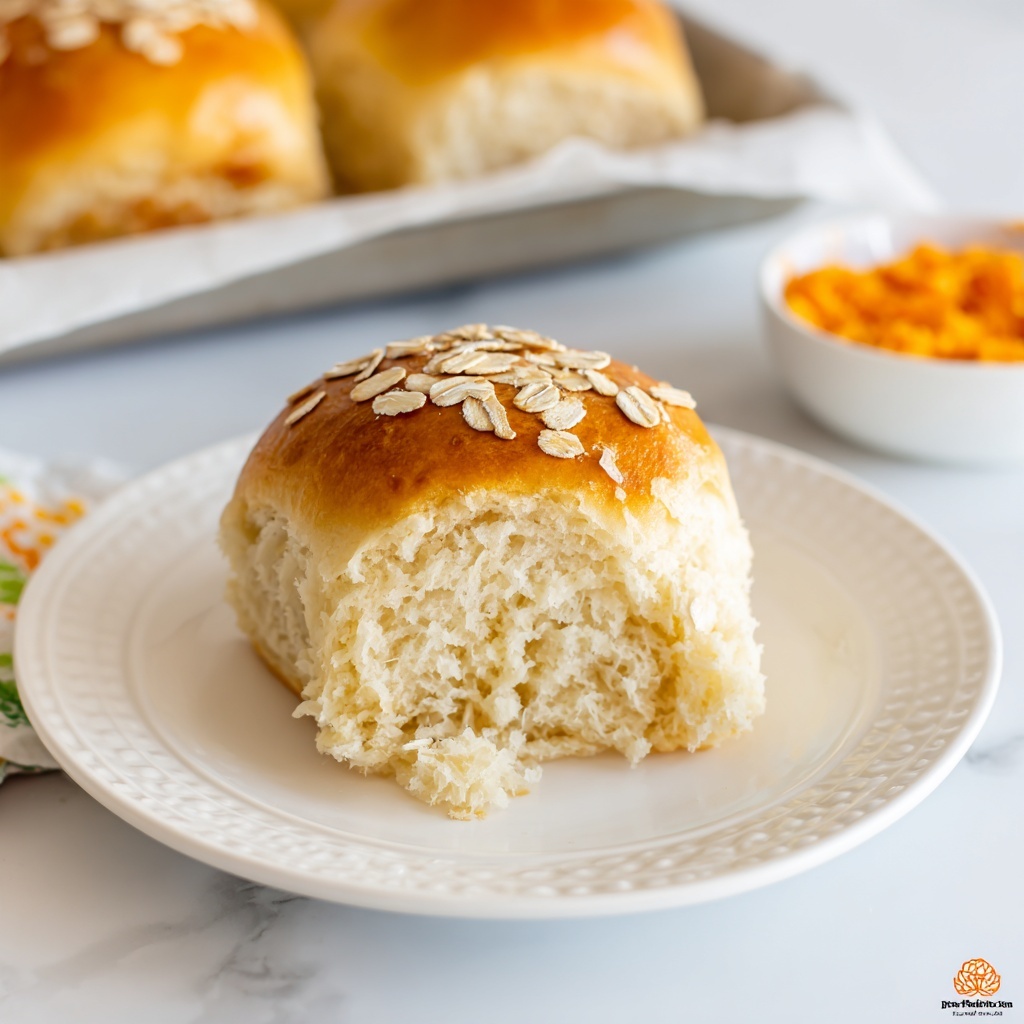
If you’re searching for a warm, comforting, and irresistibly soft bread to share with family or bring to a dinner party, look no further than this delightful Oatmeal Molasses Dinner Rolls Recipe. These rolls come together with wholesome oats and rich molasses, giving them a unique depth of flavor and beautifully tender crumb that will have everyone asking for seconds. There’s something so cozy about the subtle sweetness from molasses paired with the hearty texture of oats, making these rolls perfect any time you crave a little homemade magic on your table.
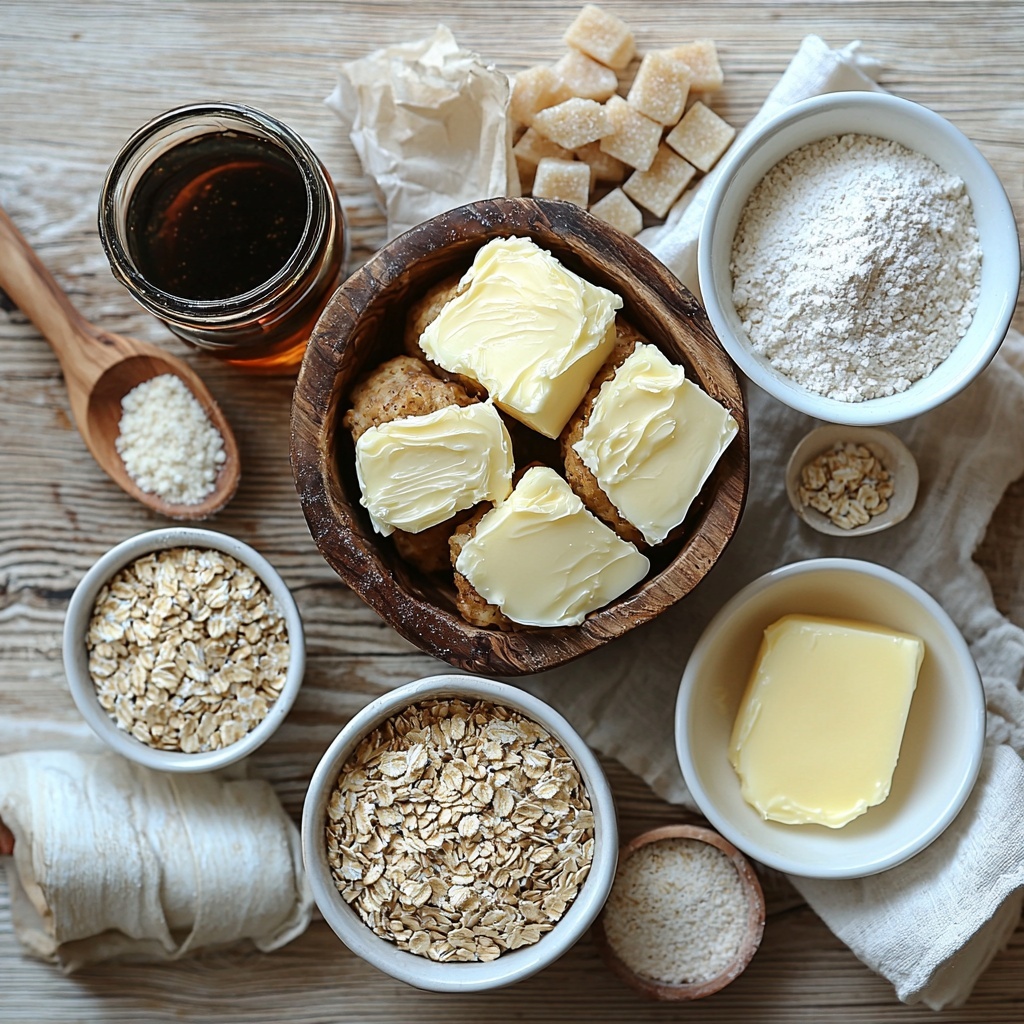
Ingredients You’ll Need
Don’t let the ingredient list intimidate you! Each component in this recipe is straightforward and plays an essential role in bringing out the rich, tender texture and beautiful flavor of these rolls. From the creamy butter to the robust molasses, every ingredient works together harmoniously for a perfect bake.
- Water: Warmed just right to activate the yeast without killing it, creating the perfect bubbly dough.
- Whole Milk: Adds richness and tenderizes the crumb for soft, fluffy rolls.
- Unsalted Butter: Softened to room temperature, it melts into the dough creating a tender bite.
- Molasses: Use a mild brand like Grandma’s for a deep, sweet flavor without bitterness.
- Egg White and Water: Combined to make an egg wash that gives the rolls a glossy finish and helps oats stick to the top.
- Instant Yeast: Platinum Yeast from Red Star works beautifully to ensure a consistent rise.
- Light or Dark Brown Sugar: Divided to sweeten the dough and feed the yeast for optimal rise and flavor.
- Old-Fashioned Rolled Oats: Adds a hearty texture inside and serves as a rustic, crunchy topping.
- Bread Flour: High protein flour gives structure, helping the rolls hold their shape while remaining soft.
- Salt: Balances the sweetness and enhances all the other flavors.
How to Make Oatmeal Molasses Dinner Rolls Recipe
Step 1: Activate the Yeast
Start by whisking together the warm water, whole milk, yeast, and 1 tablespoon of brown sugar in your stand mixer bowl. This mixture needs to sit covered for 5 to 10 minutes until it becomes foamy, signaling that your yeast is alive and ready to get to work. If you don’t have a stand mixer, a large bowl and wooden spoon will do just fine for this step!
Step 2: Combine the Initial Ingredients
Once your yeast mixture is bubbly, add the remaining brown sugar, molasses, softened butter, oats, salt, and 1 cup of the bread flour. Mix on low speed for about a minute, then scrape the sides of the bowl to make sure everything is evenly incorporated before adding the remaining flour. Beat on medium until the dough pulls away from the sides of the bowl, showing that it has come together nicely.
Step 3: Knead the Dough
Now it’s time to knead! You can use the mixer’s dough hook or your hands on a lightly floured surface. Knead for 5 to 8 minutes, adding more flour a tablespoon at a time if the dough feels too sticky. The goal is a soft, slightly tacky dough that springs back slowly when you poke it — a telltale sign that the gluten is perfectly developed.
Step 4: First Rise
Lightly grease a large bowl with oil or cooking spray, place your dough inside, and turn it around once to coat all sides. Cover the bowl with plastic wrap or a clean towel and leave it somewhere warm to rise until doubled in size, about 1.5 to 2 hours. This is where the dough gets fluffy and full of character!
Step 5: Prepare the Baking Pan
While your dough is rising, grease a 9×13-inch baking dish or two 9-inch pans. You can also use a cast iron skillet or line a baking sheet with parchment paper for a rustic option. Having your pans ready ahead of time makes the shaping process so much easier and more efficient.
Step 6: Shape the Rolls
After the first rise, punch down the dough gently and divide it into 15 equal pieces—each should be about 68 to 70 grams. Shape each piece into a smooth ball by stretching the dough over the top and pinching the bottom shut. This tension on the surface helps create those classic, soft, dome-shaped rolls.
Step 7: Second Rise
Arrange the shaped rolls in your prepared pan, cover them again with plastic wrap or a clean towel, and let them rise until puffy. This should take anywhere from 30 to 60 minutes, depending on your room’s temperature. The rolls should look noticeably puffed up and ready to bake!
Step 8: Preheat the Oven
Set your oven rack to a lower position and preheat to 350°F (177°C). Baking your rolls lower in the oven prevents the tops from over-browning before the insides fully bake, ensuring a tender crumb and golden crust.
Step 9: Bake the Rolls
Brush each roll lightly with the egg wash made from egg white and water, then sprinkle additional oats on top for an inviting rustic look. Bake for about 26 to 27 minutes, rotating halfway through to brown evenly. If the tops begin to brown too fast, tent with foil. Use an instant-read thermometer to check the internal temperature—it should reach 190°F (88°C) for perfectly baked rolls.
Step 10: Cool and Enjoy
Allow your beautiful oatmeal molasses rolls to cool for a few minutes before digging in. This lets the crumb set slightly while keeping the inside tender and moist. Store any leftovers tightly covered at room temperature for up to 3 days or refrigerate for up to a week to maintain freshness.
How to Serve Oatmeal Molasses Dinner Rolls Recipe
Garnishes
Your oatmeal molasses dinner rolls are naturally lovely, but you can elevate them with a little extra touch. Spread them with a bit of softened butter or honey for a sweet contrast. A sprinkle of flaky sea salt over the buttered roll can add a surprising burst of flavor that highlights the molasses’ sweetness.
Side Dishes
These rolls pair wonderfully with hearty soups, stews, or roasted meats. Their slightly sweet and wholesome character complements savory dishes like roasted chicken, beef stew, or a vibrant autumn vegetable soup. They also make a fantastic companion to a creamy salad or a tangy coleslaw.
Creative Ways to Present
For gatherings, arrange your rolls in a rustic wooden basket lined with a cozy cloth napkin to keep them warm and inviting. Alternatively, serve them with a trio of compound butters—like honey cinnamon, herb garlic, and maple pecan—to offer guests a variety of flavors that transform every bite into a fun experience.
Make Ahead and Storage
Storing Leftovers
To keep your leftover oatmeal molasses rolls fresh and soft, store them in an airtight container or a resealable plastic bag at room temperature. They stay tender for 2 to 3 days, making them perfect for snacking or quick meals the next day.
Freezing
For longer storage, freeze the rolls tightly wrapped in plastic wrap and then placed in a freezer-safe bag. They can keep well for up to 3 months. When you’re ready to enjoy them, thaw overnight in the refrigerator or on the countertop for a few hours.
Reheating
Reheat your rolls by wrapping them in foil and warming in the oven at 300°F (150°C) for about 10 to 15 minutes until soft and slightly warmed through. You can also microwave individually for 15-20 seconds but watch carefully to avoid drying them out. A light brush of butter after reheating will bring that fresh-baked feel back to life.
FAQs
Can I substitute molasses with honey or maple syrup?
While molasses provides a unique deep sweetness and color that defines this recipe, honey or maple syrup can be used as alternatives. Keep in mind the flavor will change slightly, becoming lighter and less robust. You might want to reduce the liquid slightly if the substitute is very runny.
Is bread flour necessary for this recipe?
Bread flour is recommended because of its higher protein content, which helps develop gluten and results in soft but structured rolls. You can use all-purpose flour, but the rolls might be a bit softer and less chewy.
Can I make the dough by hand instead of a mixer?
Absolutely! Just mix the ingredients in a large bowl and knead the dough on a floured surface for about 8 to 10 minutes until it’s smooth and springy. The process might take a little longer but the results are just as wonderful.
Why are my rolls dense or heavy?
Dense rolls are often due to not enough rising time, yeast that isn’t active, or adding too much flour. Make sure your yeast is fresh, the liquids are warmed but not too hot, and allow the dough to rise fully until doubled in size for a light and tender roll.
Can I make smaller or larger rolls with this recipe?
Yes! You can shape the dough into fewer large rolls or more small ones depending on your preference. Just be sure to adjust the baking time accordingly—smaller rolls will bake faster, larger ones will take longer.
Final Thoughts
There’s something truly special about homemade bread, and this Oatmeal Molasses Dinner Rolls Recipe brings warmth, flavor, and a touch of nostalgia to your table. The comforting combination of molasses sweetness and hearty oats makes these rolls a crowd-pleaser any day of the year. I can’t wait for you to try making them—it’s the kind of recipe that fills your kitchen with delicious aromas and leaves everyone smiling as they savor each bite.
Print
Oatmeal Molasses Dinner Rolls Recipe
- Prep Time: 20 minutes
- Cook Time: 27 minutes
- Total Time: 3 hours 50 minutes
- Yield: 15 rolls
- Category: Dinner Rolls
- Method: Baking
- Cuisine: American
- Diet: Vegetarian
Description
These Oatmeal Molasses Dinner Rolls are soft, slightly sweet, and packed with wholesome oats and rich molasses flavor. Perfect for dinner or as a snack, they boast a tender crumb with a golden crust topped with oats for a rustic touch. The recipe includes detailed steps for mixing, kneading, and rising, delivering fluffy, flavorful rolls baked to perfection.
Ingredients
Wet Ingredients
- 1 cup (240g/ml) water, warmed to about 110°F (43°C)
- 1/3 cup (80g/ml) whole milk, warmed to about 110°F (43°C)
- 4 tablespoons (56g) unsalted butter, softened to room temperature and cut into 4 pieces
- 3 tablespoons (64g) molasses (do not use blackstrap; preferred Grandma’s brand)
- 1 egg white beaten with 1 teaspoon of water (for egg wash)
Dry Ingredients
- 1 tablespoon (9g) Platinum Yeast from Red Star instant yeast
- 3 tablespoons light or dark brown sugar, divided
- 1 cup (85g) old-fashioned whole rolled oats, plus more for topping
- 3 and 1/2 cups (455g) bread flour (spooned & leveled), plus more as needed
- 1 teaspoon salt
Instructions
- Prepare the dough: Whisk the warm water, milk, yeast, and 1 tablespoon of brown sugar together in the bowl of your stand mixer. Cover and let sit for 5–10 minutes until foamy. For those without a stand mixer, mix in a large bowl using a wooden spoon or spatula.
- Mix ingredients: Add remaining 2 tablespoons brown sugar, molasses, butter, oats, salt, and 1 cup flour to the yeast mixture. Mix on low speed for 1 minute, scrape sides, then add remaining 2 and 1/2 cups flour. Beat on medium speed until dough forms and pulls from bowl sides, about 2 minutes. Add flour by tablespoon if dough is too wet.
- Knead the dough: Knead in the mixer for 5–8 minutes or by hand on a lightly floured surface for the same time, adding small amounts of flour if sticky. The dough should be soft and slightly tacky but manageable. Poke to check if it slowly bounces back indicating readiness.
- First rise: Lightly grease a large bowl with oil or spray. Place dough inside, turning to coat all sides. Cover with plastic wrap or a towel and let rise in a warm place for 1.5–2 hours until doubled in size.
- Prepare baking pan: Grease a 9×13-inch pan or two 9-inch pans, or line with parchment. Cast-iron skillet or baking sheet lined with parchment can also be used.
- Shape the rolls: Punch down the risen dough and divide into 15 equal pieces (about 68–70g each). Shape each into a smooth ball by stretching the top and pinching the bottom closed. Arrange rolls in the prepared pan.
- Second rise: Cover shaped rolls with plastic wrap or a clean towel. Let rise until puffy, about 30–60 minutes.
- Preheat oven: Adjust oven rack to a lower position and preheat oven to 350°F (177°C) to prevent burning the tops.
- Bake the rolls: Brush rolls with egg wash and lightly sprinkle oats on top. Bake for 26–27 minutes until golden brown, rotating halfway through. Cover with foil if browning too fast. Check for doneness with an instant-read thermometer; internal temperature should read 190°F (88°C).
- Cool and store: Let rolls cool for a few minutes before serving. Store leftovers tightly covered at room temperature for 2–3 days or refrigerate for up to 1 week.
Notes
- Use warm water and milk (about 110°F) to activate the yeast properly.
- Do not use blackstrap molasses, as it can be too bitter; opt for a milder brand like Grandma’s.
- Adjust flour quantity as needed depending on humidity and dough consistency; dough should be soft but not sticky.
- For even browning, rotate the pan halfway through baking and cover with foil if rolls brown too quickly.
- Check internal temperature with a thermometer to ensure rolls are baked through (190°F).
- These rolls freeze well; thaw at room temperature and warm slightly before serving.